Showing posts with label Minced beef / Carne de vaca picada.. Show all posts

28 April 2017

Turnip, Beef and Rice Cake / Bolo de Nabo, Carne de vaca picada e Arroz.


This recipe, very aromatic and delicious, is from a book that I truly adore. Yotam Ottolenghi "Jerusalem" book!
Although the recipe is called a cake, you can not unmould it because it will not keep its shape so, you have to spoon it on the plate.
If you like these middle eastern flavours, give it a try because it is a fabulous meal.
The only annoying part is the frying of the turnips but, once you get over it, you'll be amazed and, actually, I never thought that fried turnips would be so good!

16 March 2016

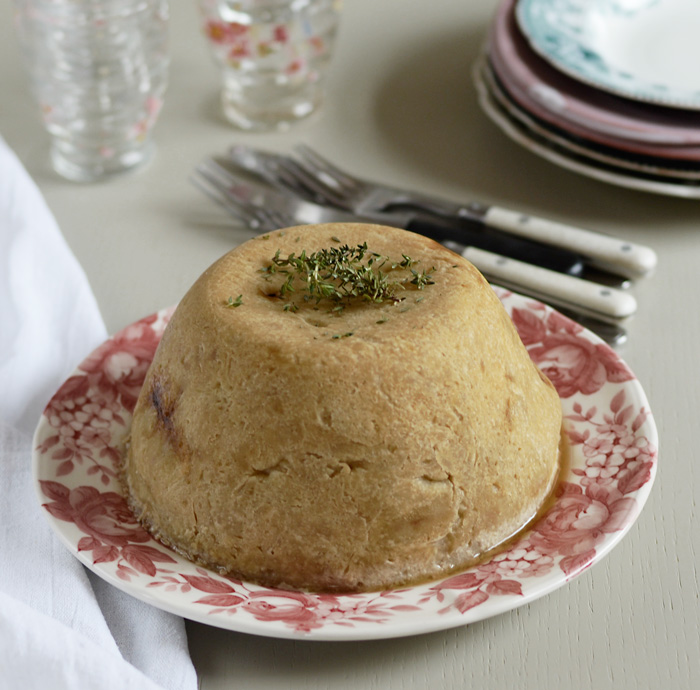
Regula's Book "Pride and Pudding" and a Steamed Beef Pudding / Um pudim de carne muito britânico e o novo livro "Pride and Pudding" da Regula.


As you all might well know, Regula Ysewijn is the creator of the gorgeous blog Miss Foodwise.

A blog that I truly adore. It is so much more than an ordinary food blog.

Regula's blog conveys a profound passion for British food and everything related to it.

It's about searching for local producers, local ingredients and organic produce wherever possible.

And it's that passion for British food culture that she has magnificently translated from her blog into her debut cookbook "Pride and Pudding".

A book I received in advance of its public release, "Pride and Pudding" publishes on the 7th of April with Murdoch Books and is available for pre-order.

I had the great privilege of testing four recipes from the book during its gestation.

(the recipes I tested)


I already consider myself a recipe tester as I cook and test, almost on a daily basis recipes from new books. However, testing for Regula's book was a huge responsibility and I wanted to do it full justice, giving proper and truthful feedback.

It was such a pleasure to test recipes that were completely new to me and to invite family and friends to taste them and to give me their feedback too for Regula.

It has been an experience that I would love to repeat. Who know's I could even making a career out of recipe testing.

If you love British food in general and puddings in particular, "Pride and Pudding" is a book that you should definitely have in your collection.

Don't expect it to be just another recipe book. "Pride and Pudding" is an authoritative study of the history of British Puddings.
It's about knowledge, it's about history and many interesting facts about the beginnings and evolution of the British Pudding.

It is a book full of fabulous illustrations, alluring photos, delicious pudding recipes, sweet and savoury, as well as much scholarly research.

"Pride and Pudding" is a book to treasure and for me, to have contributed a little, has been a privilege.

Thank you so much for this great opportunity Regula and Murdoch Books.

To celebrate "Pride and Pudding", I'm sharing with you the recipe for this delicious steamed Beef Pudding.


ingredients for the suet pastry (makes 1 pudding in a 17cm basin):
300g plain flour
130g shredded suet
1 tsp baking powder
2 tbsp lemon juice
200ml water
a pinch of salt


ingredients for the filling:
500g stewing beef
plain flour, enough for dusting the meat
1 large onion, sliced
5 small mushrooms, halved
1 thyme stalk
1 bay leaf
a generous grinding of black pepper
125ml Stout or beef stock
to finish:
1 tsp thyme leaves or finely chopped parsley


method:
Generously grease the pudding basin (mould) with butter and cut a circle of baking paper the same size as the base of the pudding basin.
Place the paper in the basin.
Preheat the oven to 160ºC.
To make the pastry, put the flour, suet and baking powder in a bowl and combine very well.
Add the lemon juice to the water and start adding it to the four mixture in small amounts, stirring constantly.
Keep adding water until you can bring the mixture together with your hands into a stiff dough.
Add more water if the pastry is too dry. The dough should not be sticky.
Keep 1/3 of the dough aside for the lid of the pudding.
Pad both pieces of dough into balls and lay them on a generously floured surface.
Roll each ball of dough out gently to 1cm thickness.
Carefully place the dough for the base of the pudding over the basin and let it slide in.
Mould the dough to the basin sides, pressing down so the edges are all the same thickness.
Trim off the excess dough around the sides.
Dust the meat with flour.
Start to arrange a row of meat, vegetables and herbs in the pudding basin and season with pepper.
When the basin is nearly full, pour in the beer or stock.
Add the lid, arranging the pastry over the trim of the basin and carefully squeezing the dough together.
If needed, lightly wet the edges of the pastry to make it stick.
Cut 2 circles of baking paper with a diameter about 8 to 10cm larger than the top of the basin. Make a narrow fold across the middle to leave room for the paper cover to expand slightly (in doubt, watch this video).
Tie securely around the top of the basin with kitchen string, then cover with foil and tie kitchen string to create a handle so it will be easy to lift the basin out of the pan after steaming.
Get yourself a pan large enough to hold the pudding.
Stand the pudding basin on an inverted heatproof saucer or trivet in the base of a deep ovenproof pot or saucepan (watch video here).
Pour enough boiling water in order to come halfway up the side of the basin.
Cover the pan with its own lid or with foil.
Place in the preheated oven and steam for 2 to 4 hours, depending on your meat.
Carefully remove the pudding from the pot while it still in the oven.
Leave the pudding to rest for a couple of minutes, so it will cool off a bit.
Remove the foil, string and baking paper lid and turn the pudding out by carefully loosening it around the edges with a blunt knife.
Unmould the pudding over a serving plate, scatter with the thyme leaves or chopped parsley and serve.


Note: You can use leftover cooked meats and if so, steam your pudding for no more than 1 hour.
__________________


Imagino que já conheçam e saibam quem é a Regula Ysewijn.

A Regula é a proprietária do lindíssimo blogue Miss Foodwise.

Um blog que adoro visitar, não tanto ou só, pelas receitas que partilha, mas mais, e sobretudo, pelo entusiasmo com que a Regula partilha a sua paixão pela comida britânica e a sua busca constante por produtos locais e biológicos, indo directamente e privando com agricultores e produtores, por forma a adquirir sempre o melhor produto.

Da mesma forma com que relata e partilha conhecimentos no blogue, a Regula conseguiu passar essa paixão por comida britânica para o seu primeiro livro cujo título é "Pride and Pudding".

Um livro para o qual eu tive o privilégio de contribuir um bocadinho, pois, enquanto o livro ainda estava a ser escrito, tive a honra de testar 4 receitas do mesmo.

Testar receitas é algo que já faço quase que diariamente, pois ao cozinhar receitas dos livros que tenho, estou no fundo a testar essas receitas, mas testar receitas para um livro que ainda nem foi publicado para o público em geral, é uma responsabilidade acrescida, pois o feedback tem de ser detalhado, há que conferir a lista dos ingredientes, acertar quantidades, tempos de cozedura, verificar se há falhas na descrição detalhada da receita, pedir opinião sincera de amigos e familiares (cobaias que provaram as receitas para além de mim), enfim, um sem número de pequenos detalhes que vão depois ser importantes para que a receita seja fidedigna e resulte.

Foi uma experiência fantástica e que adoraria voltar a repetir ou, até, fazer disso profissão!

(Receitas que eu testei para o livro)


Embora eu tenha recebido uma cópia oferecida pela Autora e pela editora, o livro só será publicado no próximo dia 7 de Abril, estando no entanto disponível para pré reserva, caso queiram encomendá-lo.

Não estejam à espera que este seja "mais" um livro de receitas, pois é muito mais que isso. É um livro de profundo estudo histórico sobre os pudins britânicos (doces e salgados) e a sua evolução através dos tempos.
Um livro que relata factos super interessantes sobre o tema e sobre a tradição britânica nesta área gastronómica, o Pudim!

Um livro escrito e fotografado pela própria Regula, cujas fotos são lindas e sedutoras, recheado de ilustrações magníficas (feitas pelo marido da Regula), relatos, descrições detalhadas e, claro, receitas.

Para celebrar "Pride and Pudding" e como agradecimento à Regula e à Murdoch Books pela fantástica oportunidade que me proporcionaram, partilho convosco esta receita deliciosa e tipicamente britânica.
Um pudim de carne envolto em massa e cozido em banho Maria.


ingredientes para a massa (para um recipiente com cerca de 17cm de diâmetro):
300g farinha de trigo branca
130g banha, fria e cortada em cubos (podem usar manteiga se quiserem)
1 colher chá de fermento em pó
2 colheres sopa de sumo de limão
200ml água fria
uma pitada de sal
ingredientes para o recheio:
500g carne para guisar, cortada em pedaços
farinha para envolver a carne
1 cebola grande, cortada em rodelas finas
5 cogumelos castanhos, cortados ao meio
1 haste de tomilho
1 folha de louro
pimenta preta moída na altura
125ml cerveja preta Stout ou caldo de carne
para finalizar:
1 colher chá de folhas de tomilho, ou salsa muito picadinha


preparação:
Untar muito bem com manteiga, o recipiente onde vai fazer o pudim.
Cortar um círculo de papel vegetal do tamanho da base do recipiente e colocá-lo no fundo do mesmo. Este passo vai ajudar a que o pudim desenforme sem percalços.
Aquecer o forno a 160ºC.
Para fazer a massa, colocar a farinha, a banha e o fermento numa taça e misturar tudo muito bem com os dedos, até obter uma consistência de pão ralado.
Adicionar o sumo do limão à água e, aos poucos, começar a adicionar a água á mistura da farinha, mexendo sempre bem, por forma a obter uma bola de massa.
Se necessário, adicionar mais água, mas atenção que a massa final não é suposto ficar pegajosa.
Reservar 1/3 da massa para a parte de cima do pudim "tampa".
Colocar as duas bolas de massa em cima de uma superfície enfarinhada e esticar ambas em círculos, com uma espessura de 1cm cada.
Reservar a parte da massa que será a "tampa" (como se de uma empada se tratasse) e colocar a outra dentro do recipiente onde vai fazer o pudim.
Posicionar a massa dentro do recipiente, forrando a base e as paredes do recipiente com a mesma e cortando o excesso de massa à volta da bordadura do diâmetro do recipiente.
Envolver a carne em farinha e sacudir o excesso.
Numa taça, combinar todos os ingredientes do recheio, excepto a cerveja e temperar com pimenta a gosto.
Colocar a mistura da carne no recipiente forrado com a massa e deitar a cerveja sobre este.
Colocar a "tampa" de massa sobre o recheio, unindo-o à massa da base.
Caso seja necessário, humedecer a bordadura da massa, por forma a que ambas colem bem e fiquem bem seladas.
Cortar 2 círculos de papel vegetal com um diâmetro cerca de 8 a 10cm maior que o diâmetro do recipiente.
Fazer uma dobra no meio (ver este video caso tenham dúvidas) a fim de que o papel possa expandir durante a cozedura.
Atar o papel à volta do recipiente com fio de cozinha.
Cobrir com papel de alumínio e voltar a apertar à volta do recipiente, usando o excesso de fio para fazer uma espécie de pega, que irá ser util no momento de tirar o recipiente do tacho.
Os recipientes que aqui se usam para este tipo de pudins, são os que vêm no video que vos indiquei umas linhas acima.
Entretanto, colocar um pires virado ao contrário dentro de uma panela ou tacho, suficientemente grande para lá meter o recipiente do pudim ou, como no video, colocar papel de alumínio amarrotado no fundo da panela, para que o recipiente com o pudim fique assente em cima do mesmo e a base não esteja em contacto directo com a panela (ver este vídeo em caso de dúvida).
Colocar o recipiente do pudim dentro da panela e encher a panela com água a ferver, por forma a que esta não ultrapasse o meio da altura do recipiente com o pudim.
Tapar a panela com a própria tampa, ou com papel de alumínio, a fim de que não escape vapor da panela durante a cozedura.
Colocar a panela no forno e cozinhar por cerca de 2 a 4 horas, dependendo do corte de carne que utilizarem.
Depois de cozido, retirar o recipiente de dentro da panela da água e deixar repousar por uns minutos.
Retirar o papel de alumínio da superfície, assim como os discos de papel vegetal.
Passar uma faca à volta do pudim, a fim de o soltar do recipiente.
Desenformar o pudim sobre um prato de serviço, polvilhar com folhas de tomilho ou salsa picada e servir.


Nota: Em vez de carne crua, e se quiserem, podem utilizar restos de carne já cozinhada, mas caso o façam, cozer o pudim no forno, por, não mais que 1 hora.


Recipe / Receita:

29 January 2016

Lorraine Pascale dad's lasagne / A lasanha do pai da Lorraine Pascale.


Throughout my life, I ate and made a fair amount of lasagne recipes, including some that I made up relying on the ingredients that I had at home at the time.
This one, since the moment I made it for the first time, is the all times favourite and became a classic here at home.
It is so flavoursome, fragrant and moreish that, each time I make lasagne, everybody asks straightaway if it is the "special" one!
The recipe is from Lorraine Pascale "Home Cooking Made Easy" cookbook and it's called "My dad's really very good lasagne".
Well, I can only say that it should be called "the best lasagne ever". That's how good it is!
ingredients:
150ml Madeira, red whine or stock
150ml beef stock
100g pancetta chunks
1 red onion, peeled and finely chopped
2 large springs of fresh rosemary, finely chopped
2 tsp dried oregano
oil for cooking
2 cloves of garlic, finely chopped
500g beef mince
200g fresh pork sausages, skins removed
1 bay leaf
1 x 400g an of chopped tomatoes
3 to 4 squidges of tomato purée
1 tsp soft light brown sugar
1 good bunch of basil leaves
salt and pepper
8 to 10 lasagne sheets
50g grated Parmesan cheese
for the béchamel sauce:
40g flour
40g butter, plus extra for greasing
300ml double cream
300ml milk
salt, pepper and nutmeg
method:
Pour the Madeira or red wine in a saucepan, bring to the boil and boil until the liquid has reduced by half.
In another pan, add the pancetta and fry until golden brown, then add the onion, rosemary and oregano and a little bit of oil, and cook until the onions are soft (10 minutes). Add the garlic and cook for about 1 minute. Add the beef and pork along with the bay leaf, stirring with a wooden spoon to break up the meat.
While the meat is cooking, pour the beef stock into the pan containing the reduced wine. Bring to the boil and reduce by half.
Once the meat has turned from pink to brown, add the reduced wine/stock, the tomato purée, the tin of chopped tomatoes, the sugar and some seasoning and stir together.
Leave to simmer for about 15 minutes or until cooked. Once cooked, there should be some liquid left in the meat, but it should not look too soupy.
Make the béchamel sauce by putting the butter in a pan over a medium heat and heating until it melts. Take the pan of the heat and add the flour. Put the cream and milk together in a jug and add a little of it to the butter and flour. Mix it together with a wooden spoon, then add a little more liquid and mix well. Keep adding the milk mixture slowly, bit by bit, stirring well between each addition. Return the pan to the heat and bring it to the boil, stirring all the time. When slightly thickened, remove the pan from the heat and season well with salt, pepper and nutmeg.
Grease a lasagne dish with butter, then spread a thin layer of the meat sauce on the bottom of the dish. Sprinkle over some basil leaves, then add a layer of lasagne sheets over the top. Spread another layer of the meat on top, sprinkle with some more basil leaves and then some of the white sauce. Repeat the layers, finishing with a layer of the white sauce. Grate some Parmesan cheese on top and cook in a preheated oven (180ºC) for 45 minutes.
Take the lasagne out of the oven and leave it to cool for a few minutes.

__________________

Tinha de vos deixar a receita desta lasanha que já foi feita cá em casa vezes sem conta, mas ainda não tinha tido oportunidade de aqui a publicar.
Já comi e fiz muitas lasanhas ao longo da minha vida (algumas até inventadas de acordo com os ingredientes que havia em casa), mas esta, sinceramente, supera todas.
Desde que a fiz pela primeira vez cá em casa que, sempre que faço lasanha, a pergunta que sempre ouço é: "Esta é a lasanha especial"?
A receita é do livro "Home Cooking Made Easy" da Lorraine Pascale e chama-se "A lasanha mesmo muito boa do meu pai". Quanto a mim, devia chamar-se "A melhor lasanha de sempre".


Experimentem e deliciem-se, pois aposto que passará a ser também a vossa favorita!!
ingredientes:
150ml vinho da Madeira, vinho tinto, ou caldo de carne
150ml caldo de carne
100gr cubos de pancetta
1 cebola roxa, descascada e picada finamente
folhas de 2 hastes de alecrim fresco, picadinhas
2 colheres chá de oregãos secos
azeite q.b.
2 dentes de alho picados
500gr carne de vaca picada
200gr salsichas de porco frescas, sem pele
1 folha de louro
1 lata de 400gr de tomate picado
3 a 4 espremidelas de uma bisnaga de concentrado de tomate
1 colher chá de açúcar amarelo
1 punhado de folhas de manjericão
sal e pimenta
8 a 10 folhas de lasanha (eu usei fresca mas caso usem da seca, não é necessário pré cozer)
50gr queijo Parmesão ralado
para o molho béchamel:
40gr farinha
40gr manteiga + extra para untar o tabuleiro
300ml natas para culinária
300ml leite
sal, pimenta e noz moscada


preparação:
Colocar o vinho num tachinho, aquecer até levantar fervura e ferver até este ter reduzido para metade.
Num tacho à parte, colocar os cubos de pancetta e fritar até estarem douradinhos.
Adicionar a cebola picada, o alecrim, os oregãos e um fio de azeite e cozinhar até a cebola estar macia (cerca de 10 minutos).
Adicionar a carne picada, a carne das salsichas e a folha do louro, mexendo bem com uma colher de pau para quebrar a carne e deixar alourar, mexendo de vez em quando.
Enquanto a carne aloura, adicionar o caldo de carne ao vinho reduzido, levar ao lume e quando levantar fervura, deixar ferver até reduzir de novo para metade.
Quando a carne estiver bem douradinha, adicionar-lhe a redução de vinho/caldo, a lata de tomates picados, o concentrado de tomate, o açúcar, sal e pimenta e mexer bem.
Cozinhar por cerca de 15 minutos, ou até a carne estar totalmente cozida. O resultado final será uma mistura quase seca.
Entretanto fazer o molho béchamel, derretendo a manteiga num tachinho em lume médio.
Retirar o tachinho do lume e adicionar a farinha.
À parte, misturar as natas com o leite e adicionar um bocadinho da mistura à manteiga/farinha, mexendo bem com uma colher de pau.
Ir adicionado o leite e natas à manteiga/farinha, até o líquido acabar, mexendo bem para incorporar.
Levar o tacho de novo ao lume, mexendo sempre até engrossar. Retirar do lume e temperar de sal, pimenta e noz moscada.
Untar um tabuleiro para lasanha com manteiga e, no fundo, espalhar uma fina camada da mistura de carne.
Polvilhar com algumas das folhas de manjericão e, por cima, colocar uma camada de folhas de lasanha.
Espalhar outra camada de molho de carne, sobre as folhas de lasanha, polvilhar com mais folhas de manjericão e cobrir com uma fina camada de molho béchamel. Repetir as camadas até todos os ingredientes acabarem, terminando com uma camada de molho branco. Polvilhar com o queijo ralado e levar ao forno pré aquecido (180ºC), por cerca de 45 minutos.
Retirar do forno e deixar arrefecer uns minutos antes de servir.

Recipe / Receita:

21 August 2015

Chou farçi / Couve recheada.


Cooking from Mimi Thorisson cookbook is a real delight and everybody, including some friends, to whom I served this dish were more than happy and the compliments succeeded one after the other.
Even my son that is always moaning about greens, helped himself 3 times and I think that says how good it was.
ingredients (serves 6):
1 head Savoy cabbage
unsalted butter for the pan
2 tbsp extra virgin olive oil
1 onion, thinly sliced
2 carrots, finely diced
300g beef mince
300g good quality bulk pork sausage
2 garlic cloves, thinly sliced
2 to 3 springs fresh thyme
1 bay leaf
1/2 tsp ground allspice
fine sea salt and freshly ground black pepper
100g canned whole tomatoes, crushed, with their juices
1 large egg


method:
Core the cabbage leaves and separate them, discarding any coarse outer ones.
Bring a pot of salted water to the boil and cook the leaves in the boiling water for 8 minutes. Drain and set aside to cool.
Grease the bottom and sides of a 18cm soufflé dish with butter.
Put a large pretty cabbage leaf, domed side down, in the base of the dish.
Top with another leaf and continue arranging the leaves one on top of another until the entire base and sides are covered. Reserve the remaining cabbage leaves.
Heat the olive oil in a large pan over medium heat.
Cook the onion and carrots until softened.
Add the beef, sausage, garlic, thyme, bay leaf, spice, salt and pepper and cook, stirring once or twice, until the meat is browned.
Pour in the crushed tomatoes, with their juices and simmer until nearly all the liquid has been absorbed.
Transfer the mixture to a bowl and allow to cool.
Preheat the oven to 180ºC.
When the meat has cooled, discard the bay leaf and thyme springs.
Add the egg and mix well.
Put a layer about 1cm thick of the meat in the cabbage lined dish and top with one of the reserved cabbage leaves.
Repeat until you have used all the meat and filled the dish, about 4 layers.
Finish with a final layer of cabbage, making sure to tuck in the leaves on all sides.
Bake for 40 minutes and unmold over a serving plate.
Serve immediately, cut into slices.

__________________

Experimentar receitas do fantástico livro da Mimi Thorisson é um verdadeiro prazer e posso assegurar-vos que é sempre um sucesso, pois as pessoas, incluindo alguns amigos, a quem servi este prato, comeram deliciados e os elogios e palavras de agrado, sucediam-se.
Até o meu filho, que refila sempre que tem "algo" verde no prato, repetiu 3 vezes e isso, mais que qualquer elogio, é a prova de que este prato é mesmo uma verdadeira delícia.


ingredientes (para 6 pessoas):
1 couve lombarda
manteiga sem sal, para untar a forma
2 colheres sopa de azeite extra virgem
1 cebola, fatiada muito finamente
2 cenouras, cortadas em cubos pequenos
300g carne de vaca picada
300g carne de salsicha de porco de muito boa qualidade
2 dentes de alho, fatiados muito finamente
2a 3 hastes de tomilho fresco
1 folha de louro
1/2 colher chá de pimenta da Jamaica
sal fino e pimenta preta moída na altura
100g tomate pelado em lata, esmagados no próprio molho
1 ovo grande (L)


preparação:
Separar a couve folha a folha, descartando as exteriores que sejam mais rijas.
Cozer as folhas da couve em água a ferver com sal, por cerca de 8 minutos. Escorrer e reservar para arrefecer.
Untar com manteiga, uma forma de 18cm de diâmetro, ou um recipiente para soufflés.
Colocar uma folha bonita na base da forma, com a parte côncava virada para baixo.
Forrar toda a base e lados da forma com folhas de couve, reservando as restantes para as camadas que se seguirão.
Aquecer o azeite num tacho sobre lume médio.
Adicionar as cebolas e as cenouras e cozinhar até ambas estarem macias.
Adicionar a carne de vaca picada, a carne de salsicha, o alho, o tomilho, o louro, a pimenta da Jamaica  e sal e pimenta preta a gosto e cozinhar, mexendo, uma ou duas vezes, até a carne estar bem selada.
Adicionar o tomate esmagado no próprio molho e cozinhar até que o líquido desapareça.
Colocar a mistura numa taça e deixar arrefecer.
Aquecer o forno a 180ºC.
Quando a mistura da carne estiver fria, distribuir uma camada com cerca de 1cm de altura, sobre a base da forma forrada com a couve. Cobrir com uma das folhas de couve reservadas.
Repetir, até toda a carne ter acabado. Deverá obter cerca de 4 camadas.
Finalizar cobrindo tudo com uma folha de couve, tendo o cuidado de dobrar e cobrir, as folhas de couve dos lados da forma.
Convém cobrir a forma com folha de alumínio, pois a couve do topo tende a queimar.
Levar ao forno por 40 minutos e desenformar sobre um prato de servir.
Cortar em fatias e servir imediatamente.

Recipe / Receita:

20 February 2015

Kefta tagine / Tagine kefta.


I love tagines. Not just because they are very tasty but also because of the aromas that come from the kitchen when cooking one of them and therefore I'm always on a quest to find new recipes with different ingredients and different aromas and flavours.
This delicious recipe comes from Helena's blog and it really is very flavoursome and the smell, while preparing and cooking it, is second to none.
ingredients (serves 6):
700g minced beef meat
4 garlic cloves, peeled
1 onion, peeled and roughly chopped
1tbsp coriander seeds
1cm piece of fresh ginger
1tsp cumin seeds
1/2 tsp sweet paprika
2 eggs
2tbsp olive oil
salt and freshly found black pepper
one handful of fresh coriander, chopped
for the sauce:
2 ripe medium tomatoes, chopped
410g can peeled tomatoes
1 onion, peeled and finely chopped
1 garlic clove, peeled and finely chopped
1tsp cumin seeds
salt and freshly found black pepper
fresh coriander, chopped


method:
Heat the oven to 170ºC.
Put the onion, garlic cloves, ginger, coriander seeds, fresh coriander and eggs in a food processor and whizz until you have a paste.
Add the paste to the meat, along with some salt, freshly ground pepper and the paprika and mix everything together with your hands.
Cover the bowl with clingfilm and refrigerate, so the mixture firms up a little and it's easier to mould the meatballs.
Mould the meat mixture onto golf size balls and set aside on a tray lined with baking paper.
Heat the olive oil in a frying pan over medium heat and seal the meatballs all over, until golden brown. Put the sealed meatballs inside a large tagine or cast iron pot and set aside.
To prepare the sauce, fry the onion and garlic in the same frying pan you used to seal the meatballs. Stir in the cumin seeds, coriander and season with salt and freshly ground black pepper. Cook for a few minutes, or until the onion has softened. Add the chopped tomatoes and peeled tomatoes and cook for a couple of minutes. Add 1 small glass of water, stir and tip the sauce over the reserved meatballs.
Cover the tagine and bake in the preheated oven for 1 hour, or until the meatballs are cooked through.
I served it with plain couscous but you can serve it with boiled white rice.
__________________


Adoro tagines e não é só pelos seus sabores exóticos, ams também pela forma como são cozinhadas e pelos aromas que delas emanam, quer durante a sua preparação, quer durante a cozedura e depois, ao serem degustadas.
Sendo uma apreciadora de tagines, descobri esta receita no blogue da Helena e qual não foi a coincidência...
Bom, se querem saber de que coincidência falo, vão ver a receita ao Sabores de Canela e perceberão de que falo...
A tagine foi aprovadíssima por todos cá em casa e será um prato a repetir com toda a certeza.


Recipe / Receita: Sabores de Canela.